Heels Classes in Brighton
Heels classes in Brighton run the sensible way round: walks, weight placement and ankle strength first, attitude second, choreography once your feet can be trusted. Adults only, every body shape and gender welcome, and nothing here demands the splits. A single class is £10, or £32 buys four of them in a row, and the whole thing launches off an interest list: get your name down and you'll hear the start date ahead of the crowd.
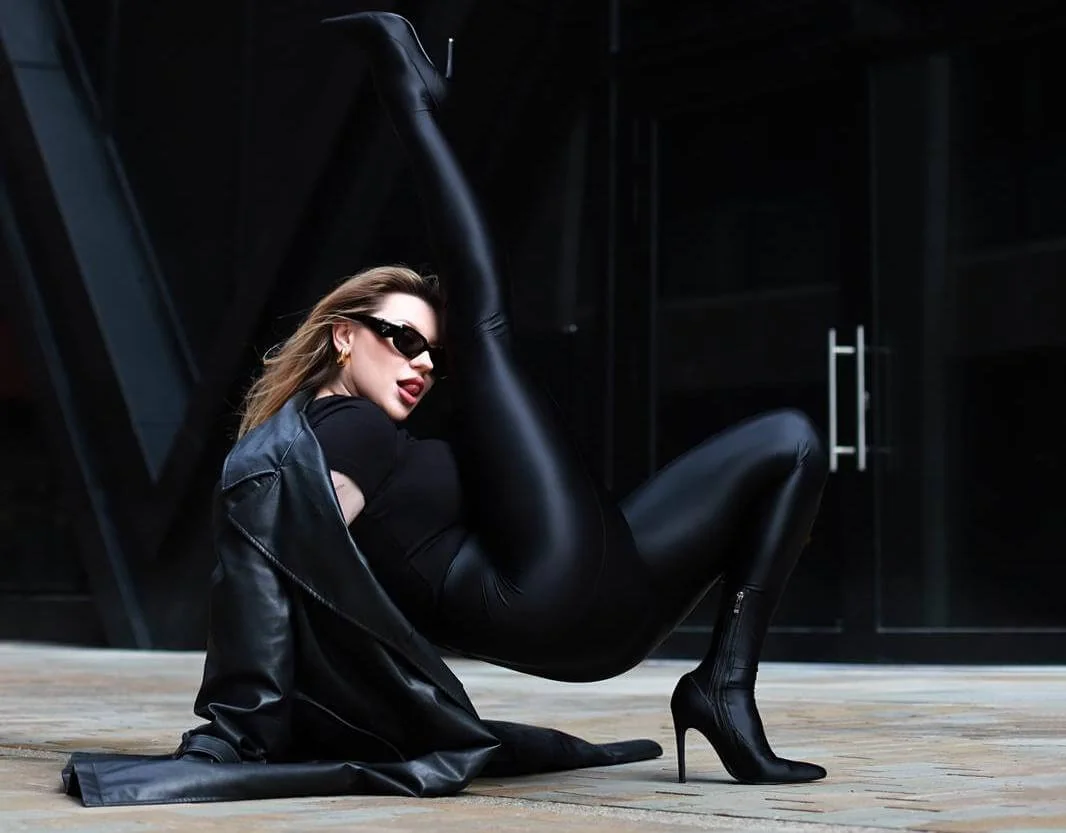 Heels · confidence, not acrobatics
Enough names, and
the class opens.
Heels tends to fill quickly, because half the city has been meaning to try it and would rather not do so in front of strangers at a club. Sign-ups convert into a launch email in the order they arrive: the evening, the studio address in the middle of town, and a short note about footwear. Putting your name down commits you to precisely nothing.
- £10 per class after launch, or £32 for a block of four
- Trainers are perfectly acceptable while your ankles catch up
- No dance background assumed and no floor gymnastics involved
 Attitude and angles · studio
Four lines on how the class will run.
- WhereA studio in the middle of Brighton, minutes from the station — address sent when it opens
- WhenOne evening a week, pinned down as soon as numbers allow
- Level & agesAll levels, all genders · 17–75 · turn up on your own
- Cost£10 drop-in · £32 for four weeks (£8 a class)
Heels is a technique class that happens to look glamorous.
The walk is the whole thing
Everything difficult about dancing in a heel lives in the first six inches of travel: where the weight lands, how the ankle stacks over it, whether the hips follow or fight. Get that solid and a routine becomes a matter of learning steps. Skip it and no amount of choreography will save you, which is why our opening weeks look suspiciously like walking up and down a room. Slowly. On purpose.
Not the class you're bracing for
Two assumptions turn up constantly. The first is that heels means performing sexuality at an audience; in a studio it mostly means posture, control and holding eye contact with your own reflection without flinching. The second is that you need to be flexible, young or already good. You need none of those. What you do need is a bit of patience with your ankles for a fortnight, and a willingness to be the person practising in trainers at the back while everyone works out that they should be doing the same. The style shares plenty of its vocabulary with our commercial class, so many people end up doing both.
Who fills the room
The heels crowd in this city is genuinely mixed — people who dance nowhere else and treat it as their one weekly hour, people warming up for a summer of nights out, and a fair number who have taken every other style on the Brighton class list and want something with a bit of swagger. Once in a while someone signs up wanting to look composed on a dance floor for one specific afternoon, in which case a wedding dance lesson is the faster route. Everyone else just likes the feeling of walking out of a studio taller than they walked in.
A four-week block, roughly.
The room sets the paceStanding up
Balance, alignment and the ankle work nobody photographs. Trainers on, if that's where your feet are this week.
Walking
Travelling in a straight line to music, turning at the end of it, and stopping without a wobble.
Adding shape
Body rolls, level changes, the pause before a move — the details that make eight counts read as intentional.
A short routine
Everything glued to one track, run at tempo, with the option of never filming it.
Read that as an outline, not a curriculum — each teacher builds their own material and adjusts it to whoever walks through the door.
Heels, answered.
Awkward questions included.
What height heel should I turn up in?+
Lower than instinct suggests. A block heel of two or three inches with an ankle strap beats a stiletto every time in a learning room, and plenty of people spend their first block in trainers and switch later. Footwear isn't something we stock, lend or sell, so bring whatever pair you already trust.
Does this class only take women?+
No, and the rooms that say otherwise are missing the point of the style. Anyone over seventeen is welcome regardless of gender, and there is no separate version of the choreography depending on who is doing it.
Will my ankles survive this?+
They will, provided the class is built the way ours is — strength and alignment before speed, with the first sessions spent almost entirely on how to load a foot properly. Anyone with an existing ankle or knee problem should mention it before we begin and work in flats until it feels right.
Is this the same thing as burlesque?+
Different animal. Burlesque is a performance tradition with its own vocabulary and comic timing; heels is a technique class about moving well on a raised heel, set to whatever the teacher has on that week. They share confidence and very little else.
When does the Brighton heels class start?+
As soon as the interest list holds enough people to make a proper room, which for this style usually happens sooner than for the technical ones. We will not invent a date to look established — the list gets told the real one first.
How much is it going to cost me?+
A single class is £10 on the night. Four consecutive weeks bought together are £32, working out at £8 a session. Registering interest is free and carries no charge at any point.
What do I wear apart from the shoes?+
Leggings, shorts, joggers, whatever you can see your legs move in — knee pads if you own a pair, though the class does not rely on floor work. Kit isn't something we hire out, and none of it needs buying to attend.
Do I have to be fit already?+
You do not, though an hour of this is more demanding than it looks from outside. Calves and core take the load. Most people find week two harder than week one and week four easier than both.
Which room does this happen in?+
Central Brighton, a short walk from the station, in a room with mirrors and a floor that suits heels rather than a hall with a stone finish. Exactly where is settled at the same time as exactly when.
Can I come alone, or do I need a friend?+
Come alone. Roughly everybody does, there is no partner work whatsoever, and standing next to a stranger who is equally unsure is the fastest way to stop caring about being watched.